| Status: | Active, open to new members |
| Convenor: | |
| Group email: | Geology group |
| When: | Monthly on Monday mornings 1st Monday of each Month at 10.00 |
| Venue: | Hazlemere Memorial Hall |
The Geology Group was formed in Nov 2022. We are a friendly group with a very loyal following.
Our meetings generally include one or two talks on an Earth Science topic given by one of our members or a guest speaker. We also have some more practical activities such as rock and mineral identification, quizzes, and field trips when possible.
So, why not come along and see for yourself? You don’t need any geology qualifications or experience, just an interest in the world around you and a curiosity about what lies beneath your feet!
We have a good selection of Geology books and maps, which you can borrow for a small charge. Recently we have acquired a polarising microscope & some thin sections. We also have a selection of rocks & minerals which we use for practical sessions.
Upcoming Meetings
7th Sept '26 - 2 more talks in our Holiday Geology series: 1) A review of last year's Exmouth Boat Trip & 2) a talk about the Geology of Latvia called Riga Rocks.
5th Oct '26 - Following the shocking & devastating flood in Nepal in late August, Martin will this month talk about Ice Ages Past & Present. What is the evidence for past Ice Ages, when & where did they occur, what causes Ice Ages and what may happen in the future as our climate heats up?
2nd Nov '26 - The absence of any visible fossils in the Precambrian Eon & the sudden appearance of many fossils in the Cambrian Period was a great puzzle to Charles Darwin, challenging his Theory of Evolution by Natural Selection. This month Alan Green will reveal that Darwin's hunch that earlier fossils would be found in future was correct in his talk on Precambrian Fossils.
7th Dec '26 - Review of the Year, Xmas Quiz & Xmas Party
Past Meetings
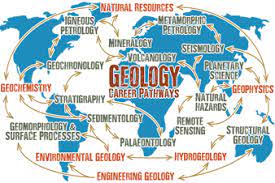
In the past we have covered the following topics:
- Geological Time - How Old is the Earth?
- The Origin & Formation of Planet Earth
- The Dance of the Continents - The Theory of Plate Tectonics
- Geomorphology - the Formation of Landscapes
- The Rock Cycle - How Rocks are Formed
- How to Identify Different Rock Types (practical session)
- Earthquakes and Seismology
- The Cambrian Explosion - the Dawn of Complex Life
- What has the World Ever Done for Us? An overview of Earth Resources
- Mining for Metal Ores in the UK
- William Smith – The Father of English Geology
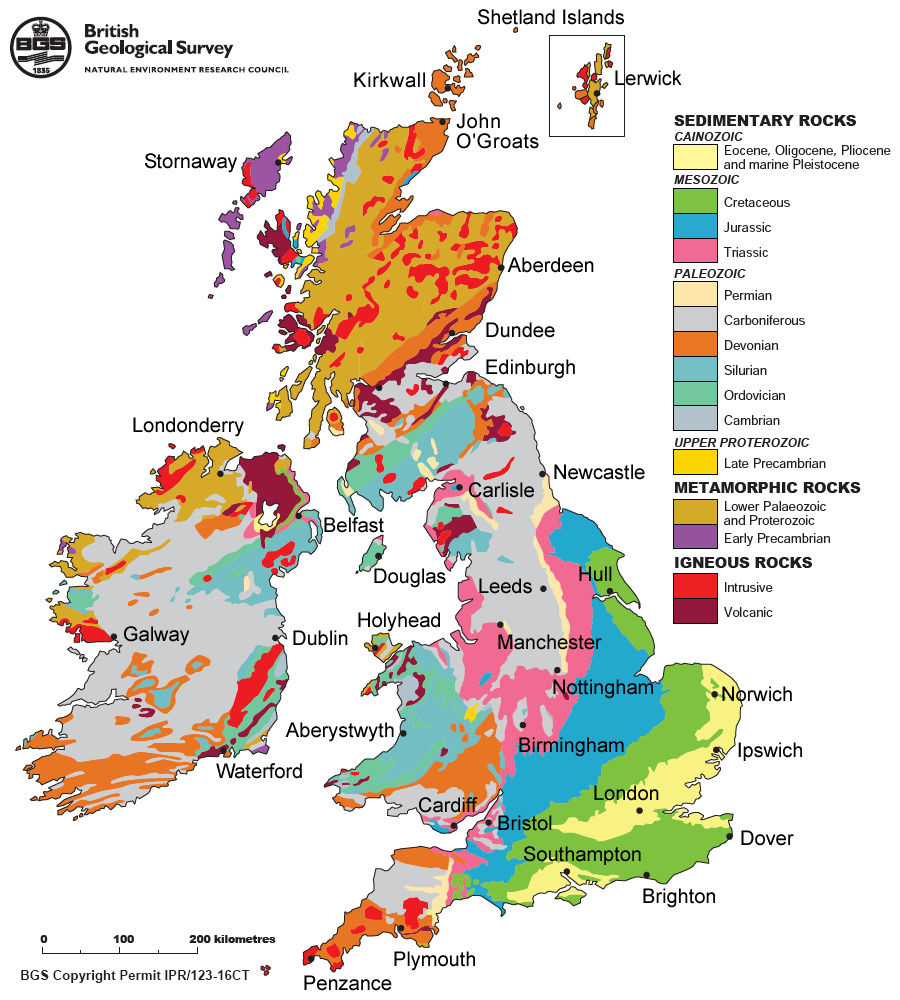
- The Geology of the UK – the Building of a Nation
- The Geology of Oil & Gas
- Oil Refining
- The Geology of Diamonds
- Famous Geologists - presented by many of our group members
- Using a Polarising Microscope to Identify Rocks & Minerals - by local geologist Jill Eyers
- The Classification & Identification of Minerals
- An Introduction to Fossils & talks on Invertebrates, Vertebrates, Fish, Tetrapods & Microfossils
- Talks on the Geology of various locations - Malham, Tenerife, the Jurassic Coast, the Central Valley of Mexico
- Orogenesis & the Formation of the Alps
- Plate Tectonics & the Formation of Continents
Videos
Here is a link to a selection of our presentations on You Tube :
https://youtube.com/playlist?list=PLtE0xHz3frIsR5G4zIXTjjH9luNpBA2G5&si=gbSyhBkItOJBlMhp
Past Field Trips / Visits
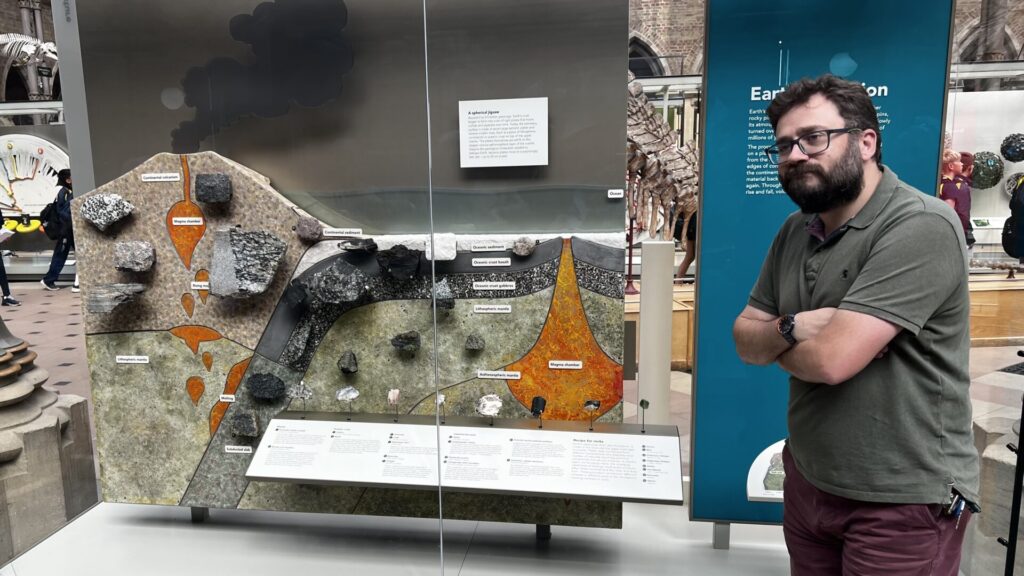
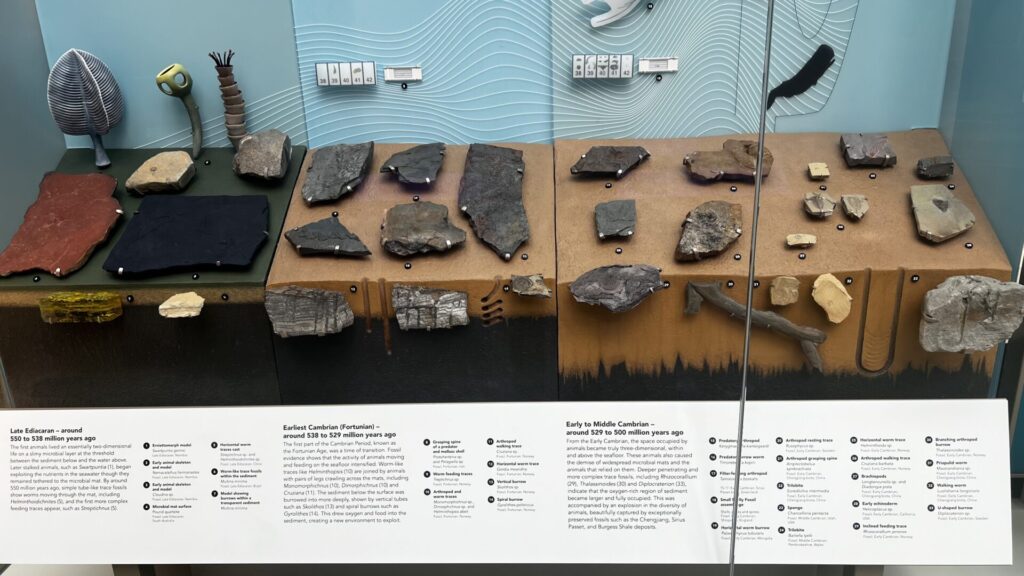
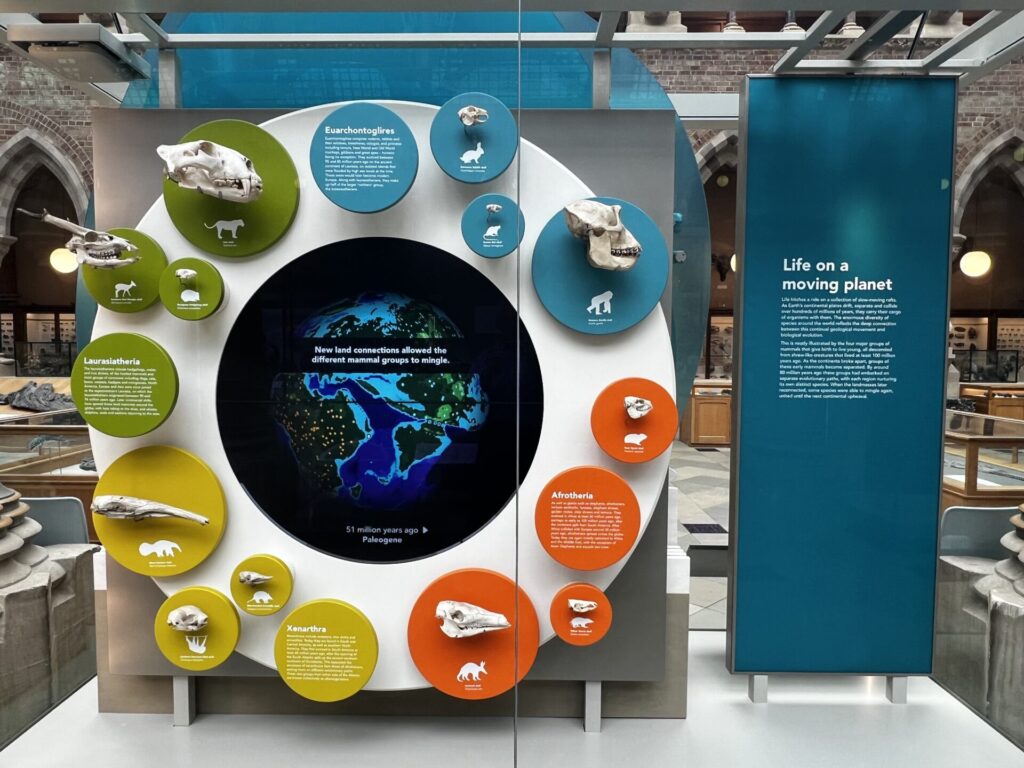
Visit to the Oxford University Museum of Natural History - 1st June 2026
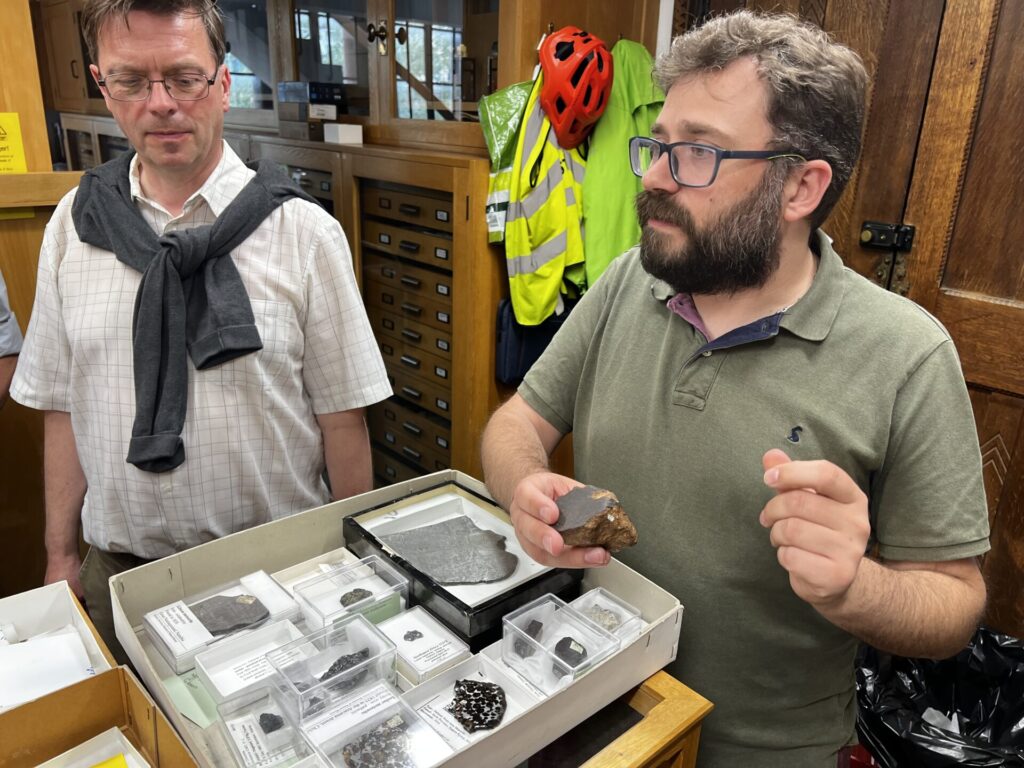
Due to popular demand in June we organised another visit to this wonderful museum. Professor Duncan Murdoch guided us through the new Earth Science exhibitions. The visit explored Earth’s formation and the roles of water, the atmosphere and life in shaping the planet. We also went behind the scenes to handle rare specimens, including 4.6-billion-year-old meteorites, mantle rocks and ancient fossils.
Exmouth Boat Trip - 12th Sept 2025
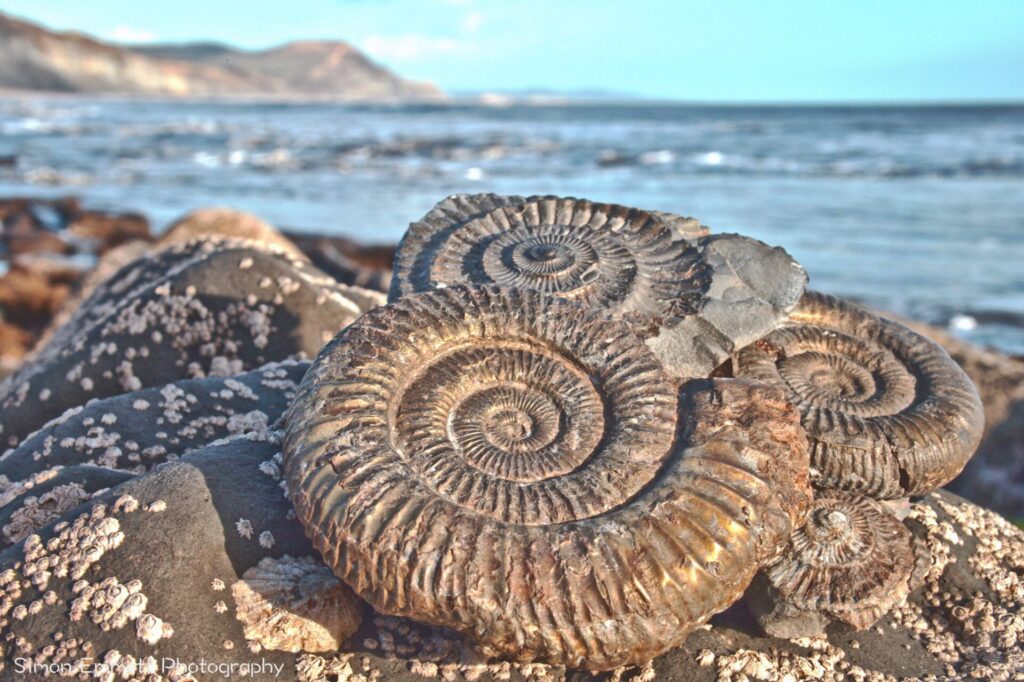
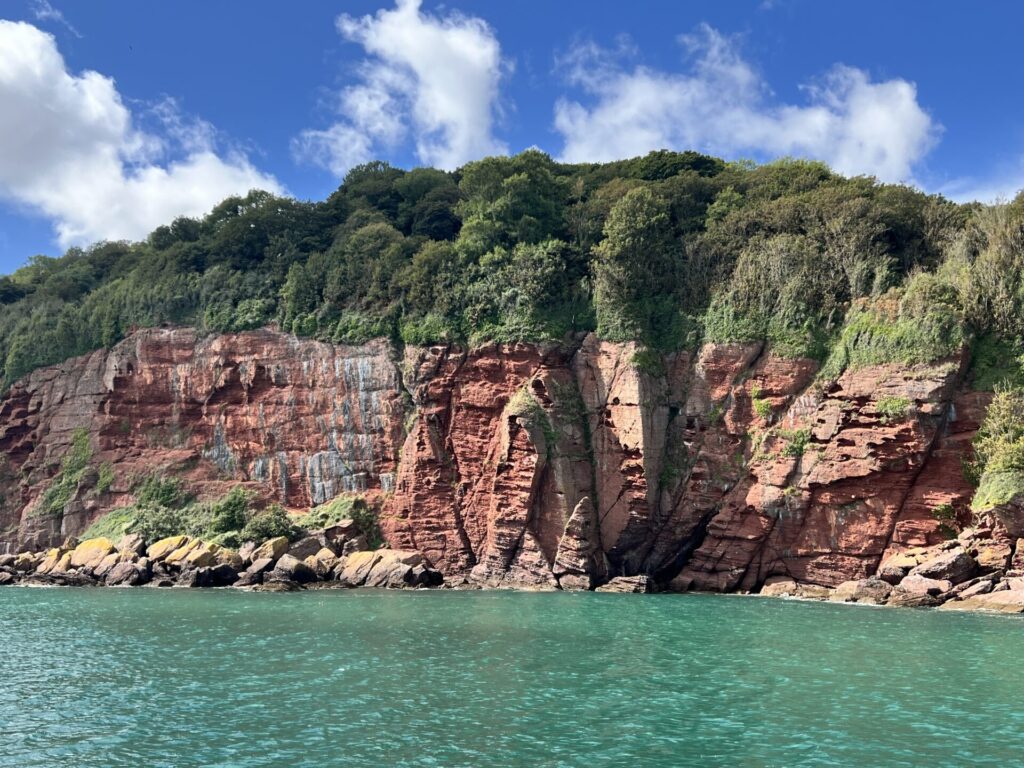
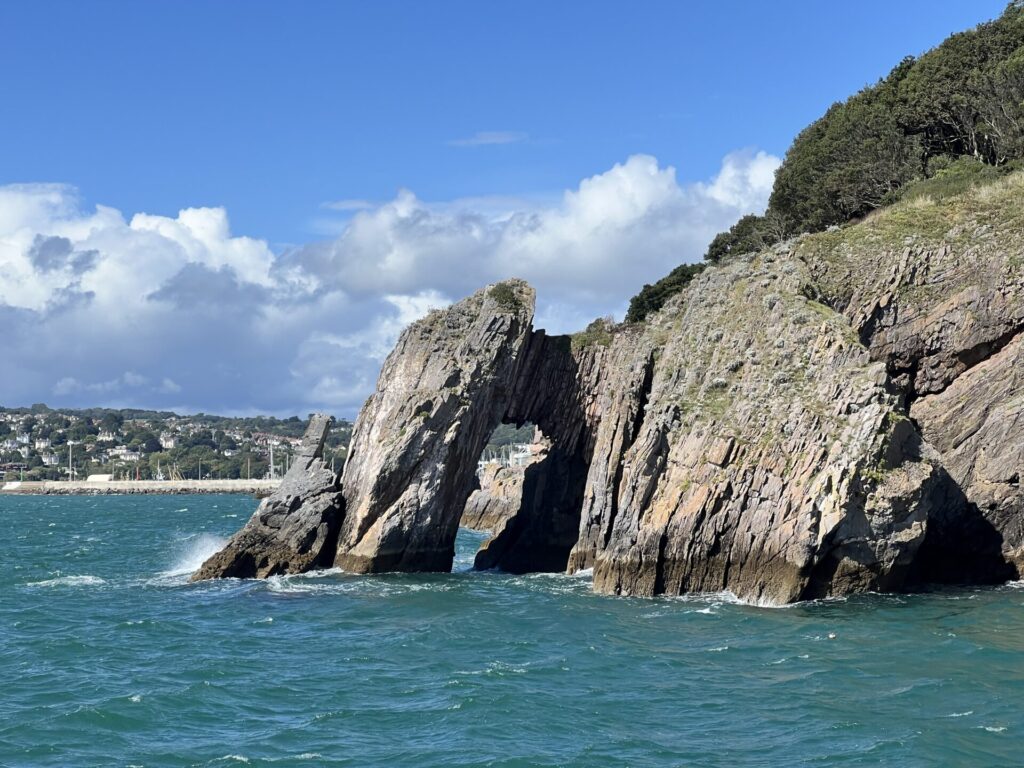
Back in Sept 2025 a small group of us went on an excellent boat trip along the south Devon coast from Exmouth to Brixham. Originally planned as a visit to the Jurassic Coast, due to strong winds & a large swell we instead went along the more sheltered coast to the west, part of the UNESCO Global Geopark. Here we saw much older rocks including Permian red desert sandstones & breccias (252-299 mya) formed in the arid interior of the supercontinent Pangea, Carboniferous sandstones & shales (299-359 mya) laid down near the equator and then folded & faulted during the Variscan orogeny when Laurasia & Gondwana collided and Devonian limestones (359-420 mya) deposited south of the equator in conditions similar to the Caribbean today! We had an excellent guide, a local geologist, who was able to explain & interpret the coastal landscape & its geology and expertly answered any of our questions. It was a very memorable day trip as well as a trip back in time! Here are a few photos:






Geology Group Visit to the Natural History Museum, London - 16th January 2025
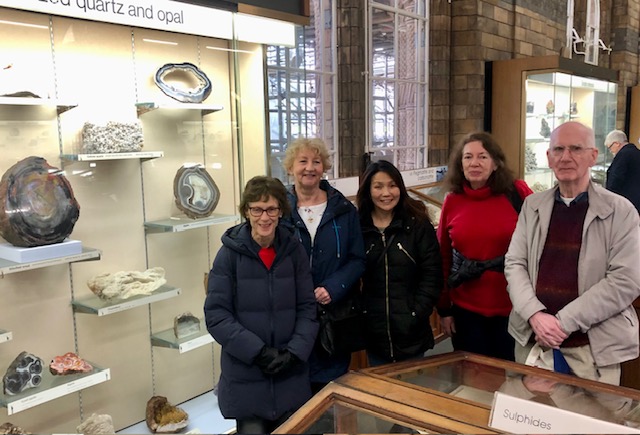
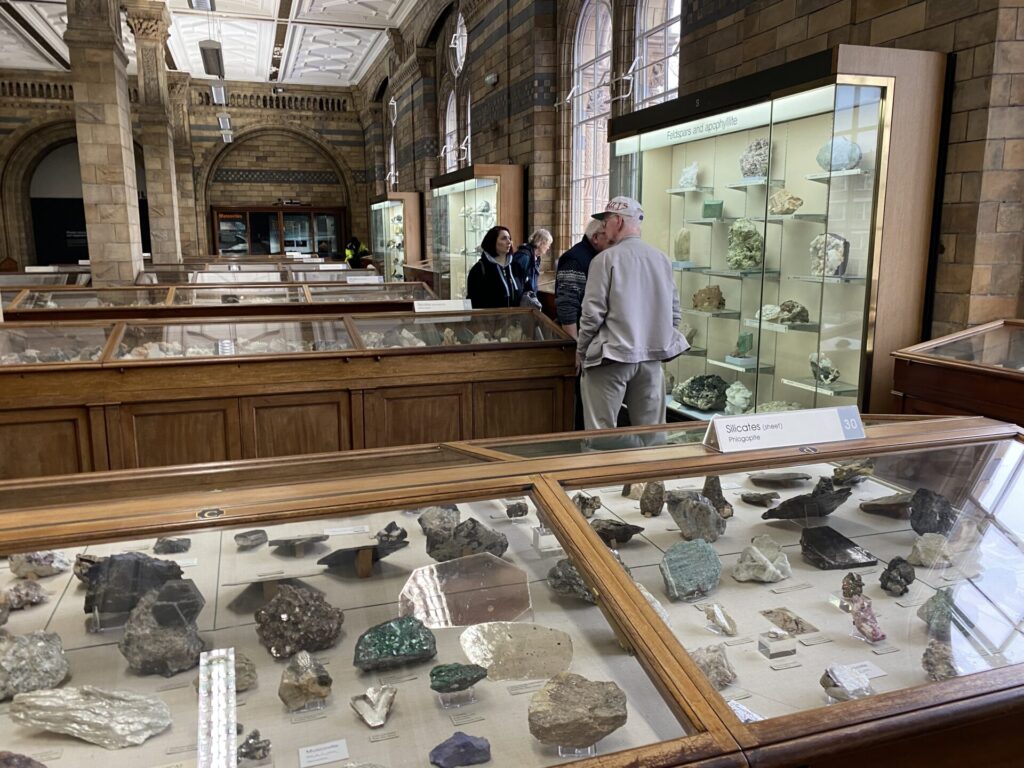
On Thursday 16th January 2025, 11 members of our group visited the London Natural History Museum. Our visit started in the Earth's Treasury section, which highlighted some of the many different natural resources that we derive from our planet. It described the different rock types & minerals, how to identify them and the many products that they are used for, ranging from humble building materials & glass to high tech silicon wafers & precious gem stones.
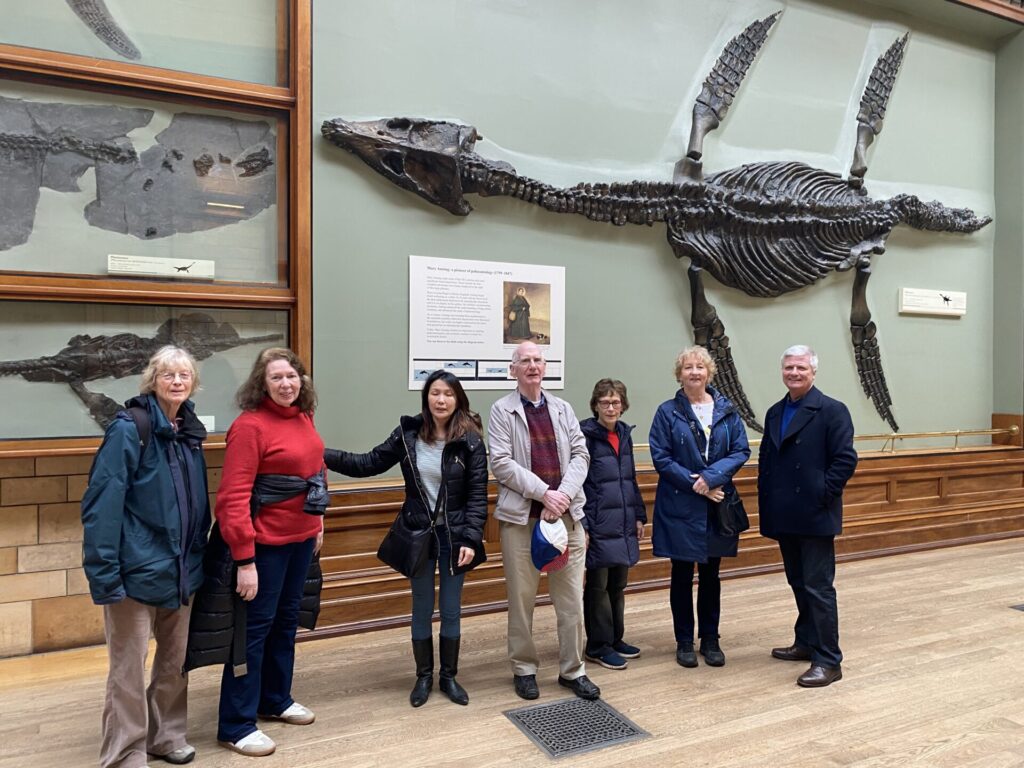
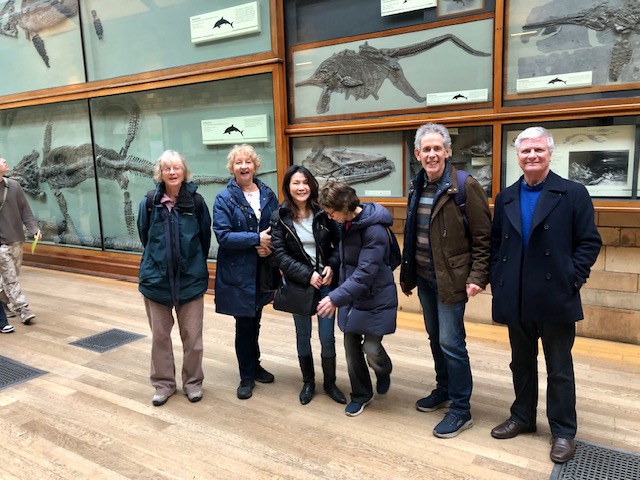
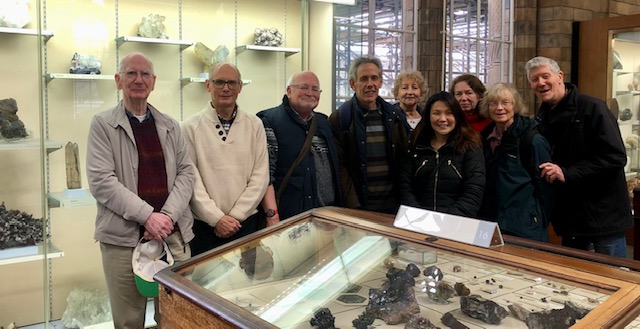
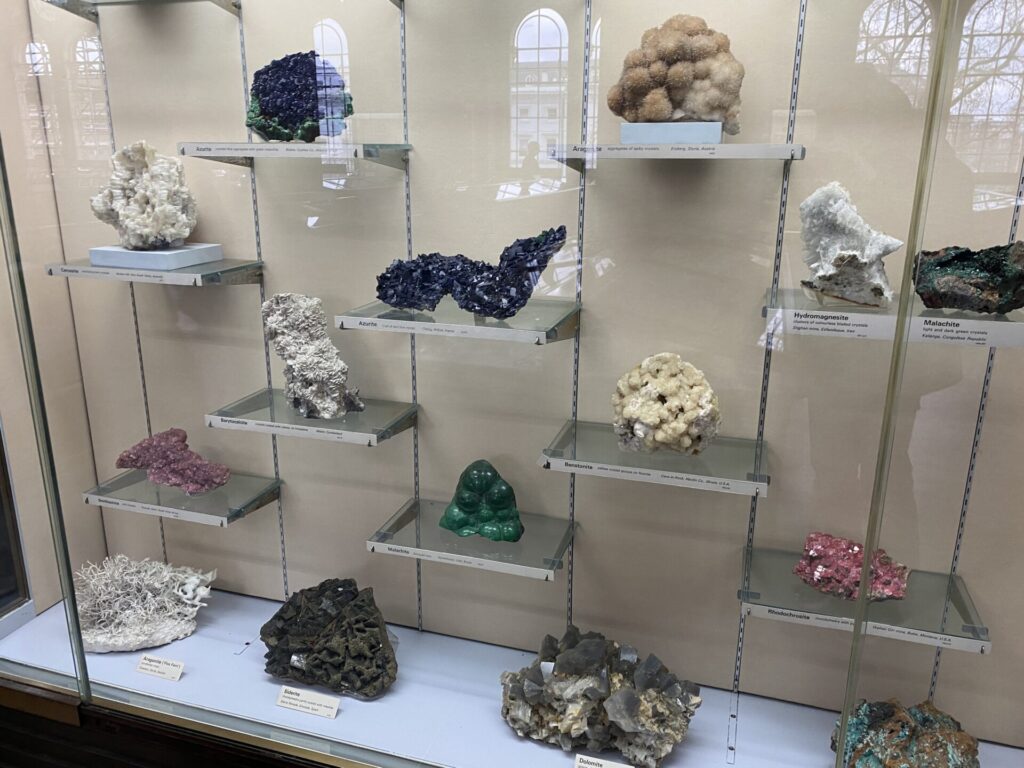
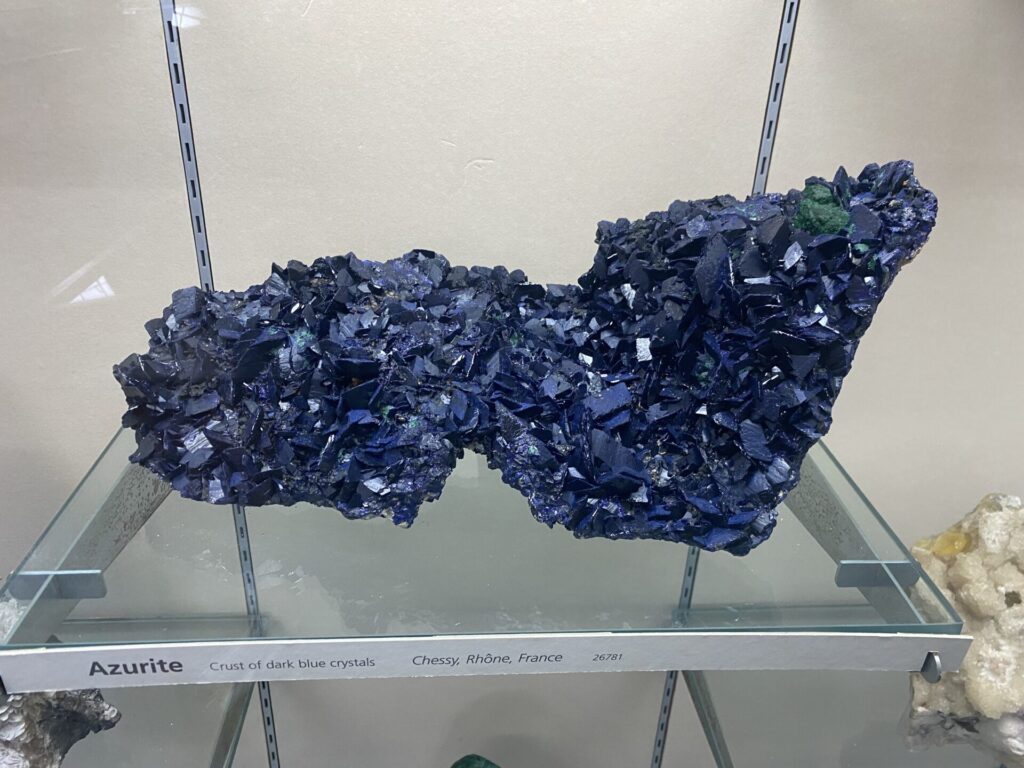
After lunch we walked past fossils of the impressive marine reptiles, mostly discovered along the Dorset & Devon Jurassic coast by collectors such as Mary Anning & William Conybeare. We then went to the Mineral Hall which houses literally thousands of rocks & minerals arranged according to their respective groupings & classes.
We finished off with a short walk through the Evolution garden, walking back in time from the present day to the start of the Precambrian. This is a new outdoor feature and includes some typical rocks, fossils & plants from the various geological periods.
Here are a few photos from our visit.